Shop All Beef
We take great pride in providing some of the nation’s best beef, with all our beef products grass-fed and sourced ...
Frequently Asked Questions
Yes, certain raw beef dishes like steak tartare or carpaccio are safe if made with high-quality, fresh beef and prepared hygienically. However, consuming raw beef always carries some risk of foodborne illness, especially for pregnant people, children, or those with weakened immune systems.
Beef pairs beautifully with robust herbs such as Rosemary, Thyme, Oregano, Bay leaves, Parsley, Sage, Tarragon.
Use fresh or dried herbs in marinades, rubs, or as a finishing touch.
Use a marinade with acidic ingredients like vinegar, wine, or citrus. Pound it with a meat mallet to break down fibres. Slow-cook tougher cuts like chuck or brisket. Salt dry (coat with salt and let rest before cooking) to draw out moisture and soften the texture. Use enzymes found in ingredients like pineapple or papaya.
It depends on how you plan to cook it:
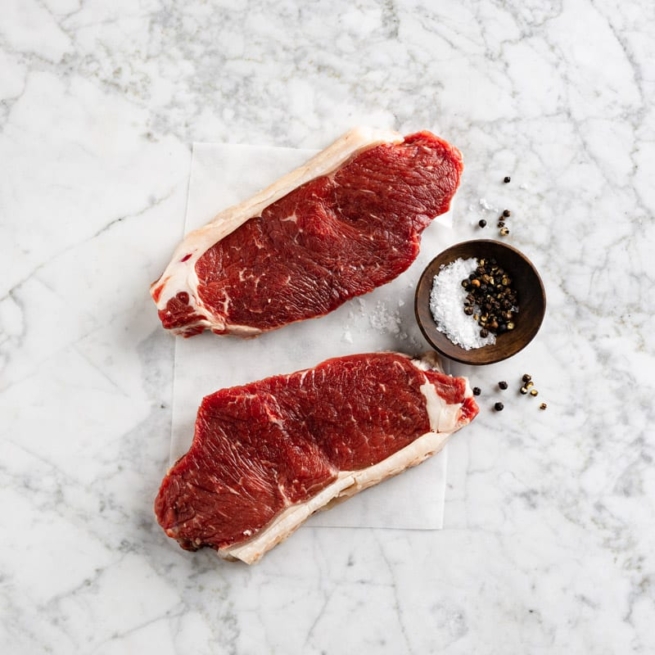
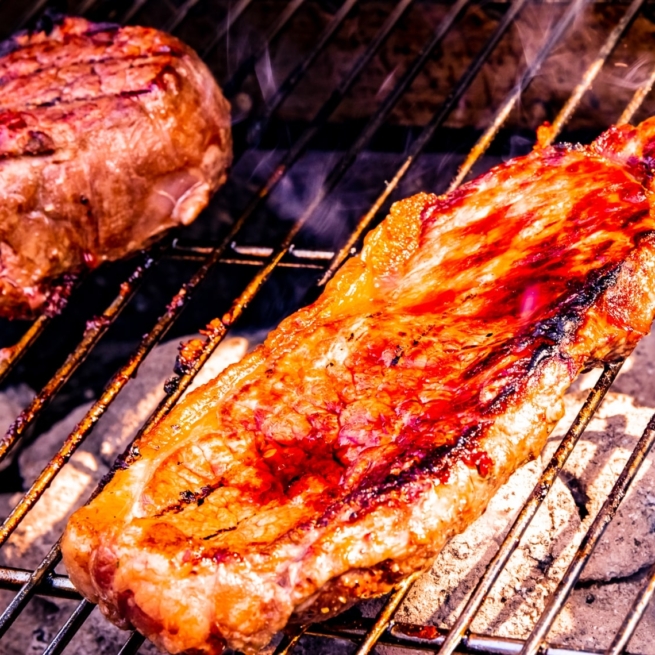
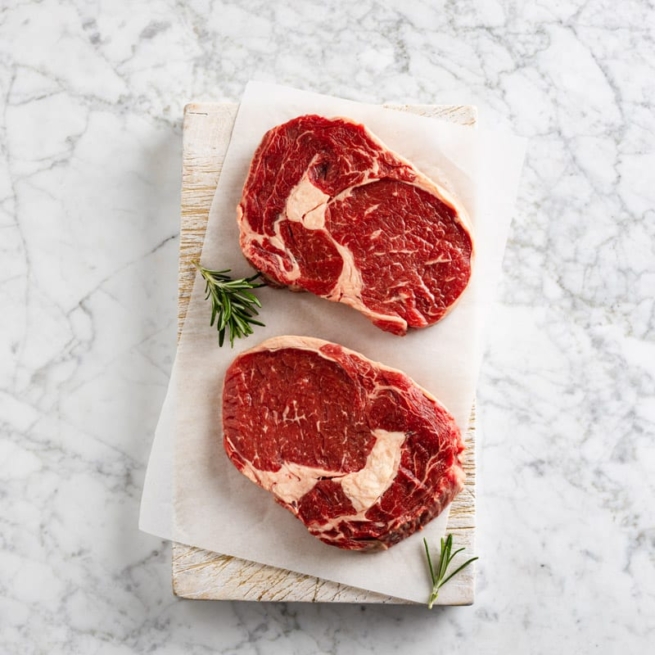
Tender cuts (great for grilling/searing): Ribeye, filet mignon, sirloin, T-bone
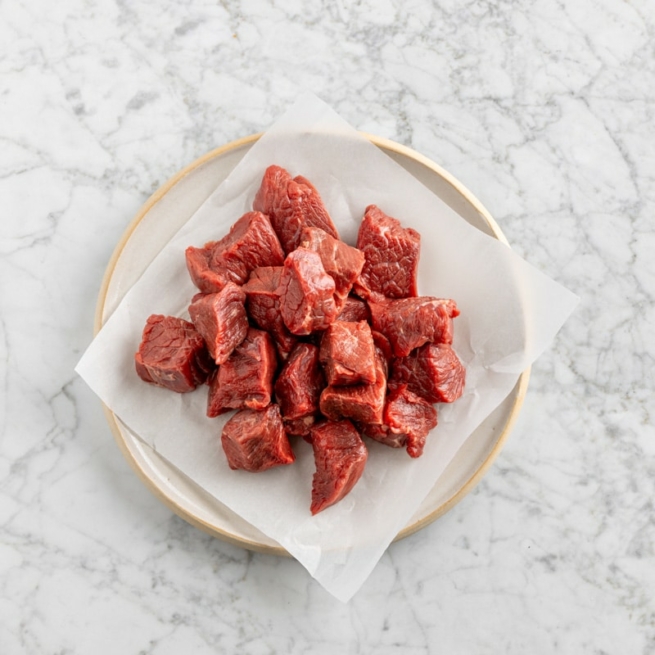
Flavourful but tougher cuts (best for slow cooking): Chuck, brisket, shank, short ribs
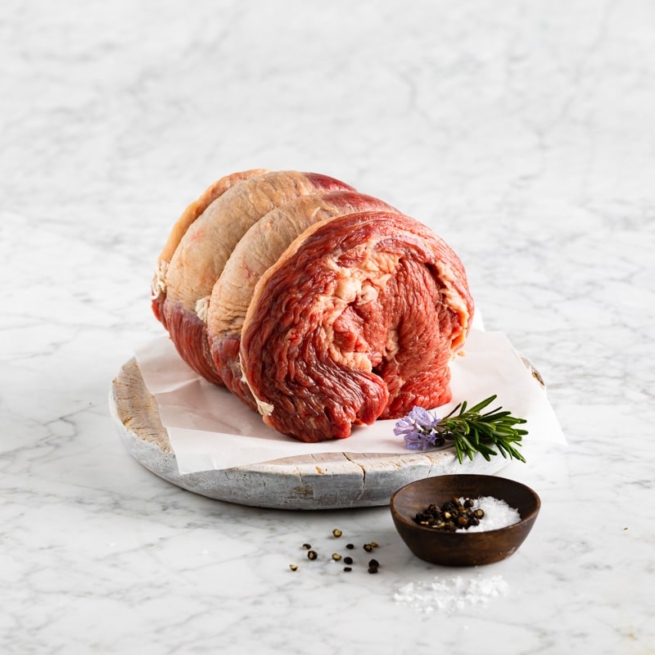
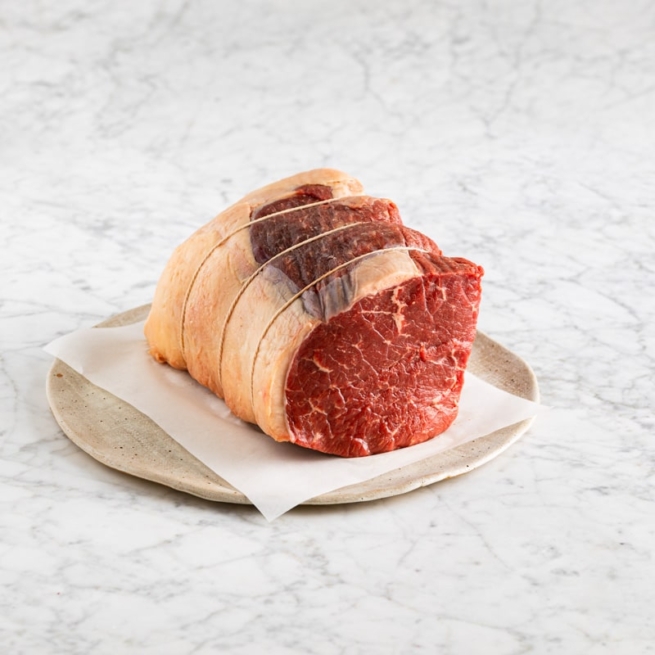
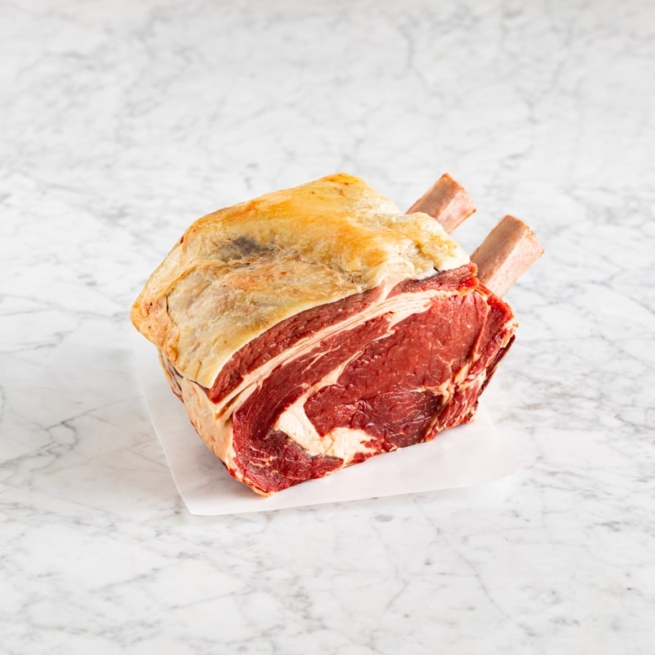
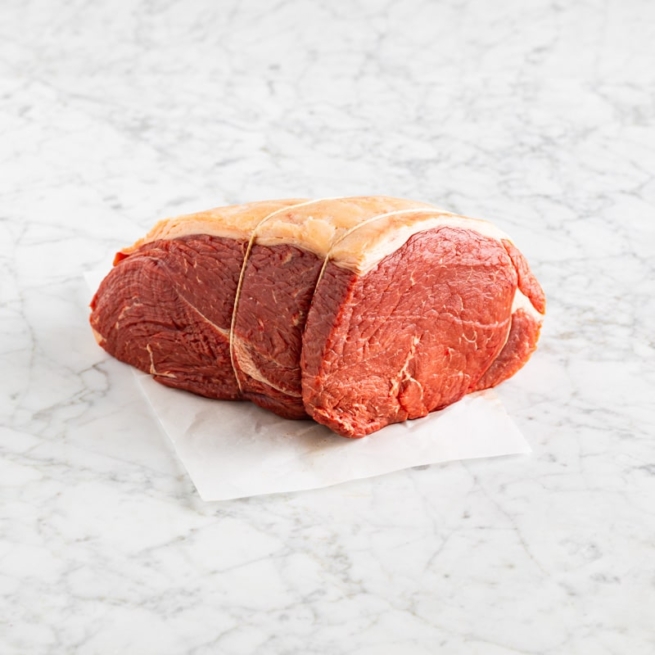
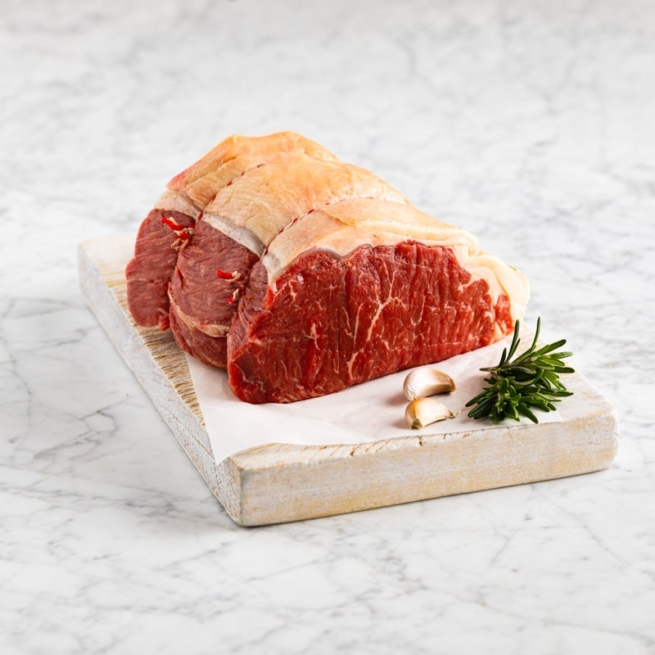
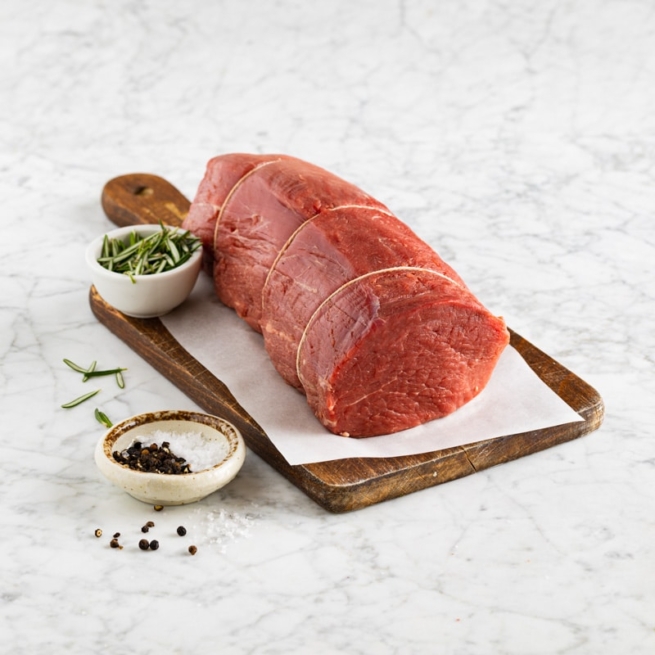
Roasting cuts: Prime rib, striploin, rump roast
The safest way to defrost beef is:
In the fridge: Place in a container and allow 12–24 hours, depending on size.
In cold water: Submerge in a sealed bag, change water every 30 minutes.
Avoid room temperature defrosting to prevent bacteria growth. Use within 1–2 days of defrosting and never refreeze raw thawed beef
Beef is rich in High-quality protein, Iron (especially heme iron), Zinc, Vitamin B12.
Choose lean cuts and moderate your intake to balance saturated fat. Grass-fed beef tends to have more omega-3s and antioxidants.
Safe internal temperatures for beef:
Rare: 125°F (52°C)
Medium-rare: 130–135°F (54–57°C)
Medium: 140–145°F (60–63°C)
Well done: 160°F (71°C) and up
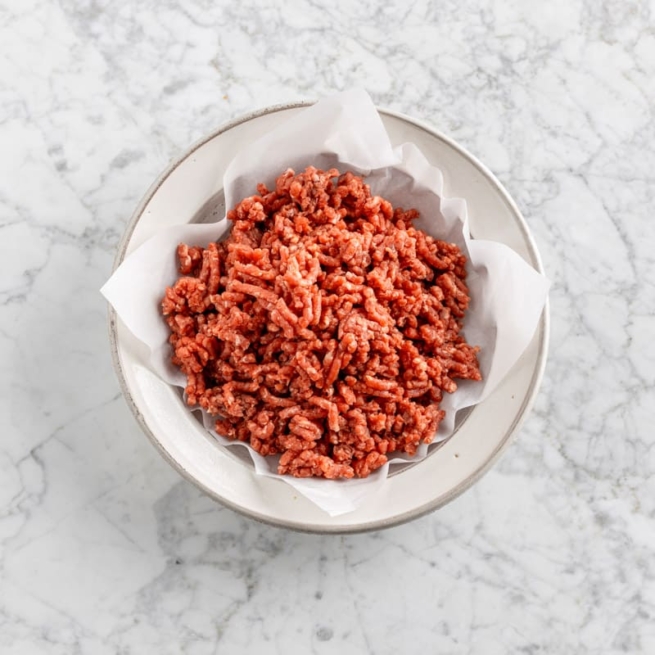
Ground beef should always be cooked to 160°F (71°C) due to higher contamination risk.
Classic sauces that pair well with beef include Red wine sauce, Peppercorn sauce, Béarnaise or hollandaise, Mushroom or gravy-style sauces, Horseradish or mustard sauces, Chimichurri or garlic herb butter for a fresher take
Dry aging beef is a controlled process that enhances flavour and tenderness:
Use a dedicated fridge or dry-aging cabinet with controlled temperature (34–38°F / 1–3°C), humidity (80–85%), and air circulation.
Place a large bone-in cut (like a ribeye or strip loin) on a rack.
Age for 21–45 days or more, depending on desired flavour intensity.
Trim the outer crust before cooking.
Note: Dry aging at home requires precise control to avoid spoilage.